Shop / Tirzepatide
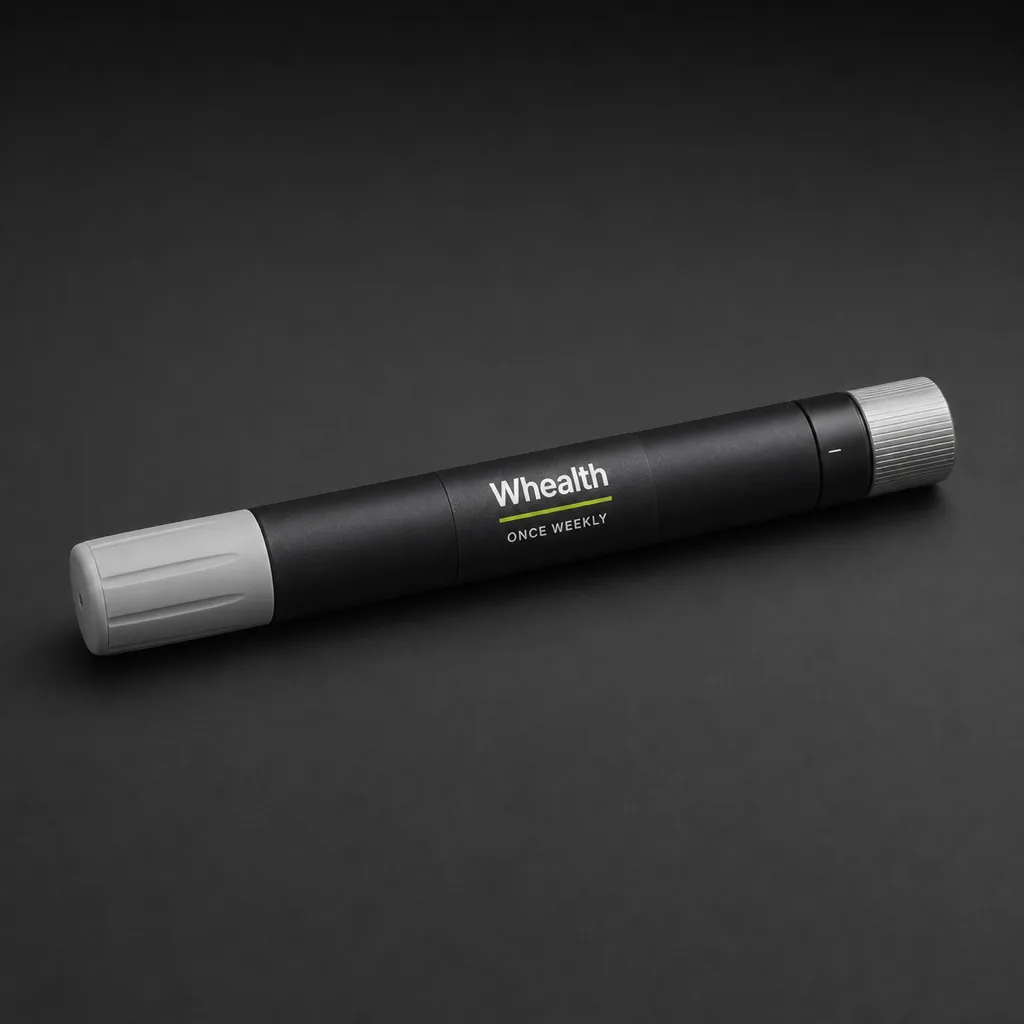
Tirzepatide
Dual GIP / GLP-1 agonist
Tirzepatide adds a second receptor, GIP, to the GLP-1 mechanism. In the trials that dual action produced more weight loss than GLP-1 alone, which is why it is usually the second thing people ask about.
The trade-off is patience. The ladder is longer and the side-effect window at each step is wider, so a physician will hold you at a dose until it is genuinely comfortable rather than moving on schedule.
Your clinician sets the actual schedule. This is the standard ladder and the one they start from.
Multiple large randomised controlled trials in people, published in peer-reviewed journals, with regulatory approval behind them.
Mean body-weight change at 72 weeks on 15mg weekly, against −3.1% on placebo
SURMOUNT-1 · NEJM 2022Mean change on the lowest 5mg dose in the same trial
SURMOUNT-1 · NEJM 2022Adults randomised
SURMOUNT-1 · NEJM 2022What it is
Tirzepatide acts on two incretin receptors rather than one — GIP as well as GLP-1. FDA-approved for type 2 diabetes in 2022 and for chronic weight management in 2023. It produced the largest average weight reduction published for a drug in this class.
How it works
The GLP-1 half does what semaglutide does. The GIP half appears to add an independent effect on energy intake and insulin sensitivity. The trade-off for the bigger number is a longer ladder and a wider side-effect window at each step.
What the evidence actually says
-
2022
SURMOUNT-1
2,539 adults. Mean −20.9% at 72 weeks on 15mg against −3.1% on placebo, with a clear dose response from 5mg upward.
-
2024
Shortage resolved
FDA declared the tirzepatide shortage over in December 2024, ending shortage-based compounding of it.
What the first months look like
- Weeks 1–4A 2.5mg starting dose that is not intended to be therapeutic.
- Weeks 5–20Steps up slowly. A physician will hold you at a dose until it is genuinely comfortable rather than moving on schedule — the ladder is longer than semaglutide's for a reason.
- Month 6+Maintenance at whatever dose you tolerated, which is often not the maximum.
Who this is not for
- A personal or family history of medullary thyroid carcinoma, or MEN2.
- Pregnancy, or planning pregnancy within two months.
- A history of pancreatitis, without discussing it first.
Sources
Figures are quoted from the published trials and were last checked in August 2026. We update this page when the evidence changes.