Shop / Semaglutide
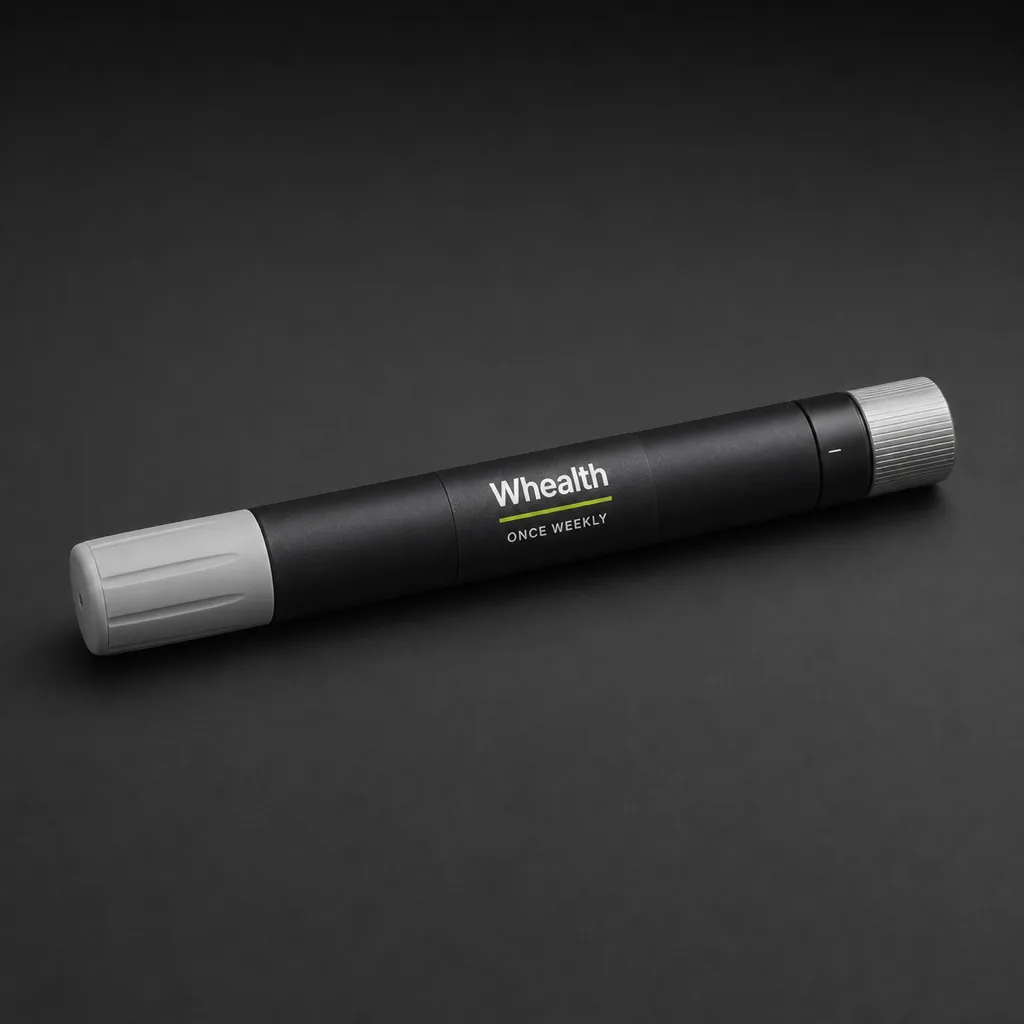
Semaglutide
GLP-1 receptor agonist
Semaglutide mimics a gut hormone you already release after eating. The effect people describe is not willpower arriving — it is food no longer occupying the day.
Dosing starts deliberately low. The first four weeks are not a therapeutic dose; they exist so your stomach adapts before the dose climbs. Skipping ahead is the single most common reason people quit with nausea.
Your clinician sets the actual schedule. This is the standard ladder and the one they start from.
Multiple large randomised controlled trials in people, published in peer-reviewed journals, with regulatory approval behind them.
Mean body-weight change at 68 weeks on 2.4mg weekly, against −2.4% on placebo
STEP 1 · NEJM 2021Adults randomised in the trial that established the weight-management dose
STEP 1 · NEJM 2021Weight was still falling at the end of the trial rather than plateauing early
STEP 1 · NEJM 2021What it is
Semaglutide is a GLP-1 receptor agonist and one of the few peptides in this whole category with an FDA approval behind it — for type 2 diabetes in 2017, for chronic weight management at 2.4mg weekly in 2021, and in 2024 for reducing cardiovascular risk. We prescribe the branded, approved product.
How it works
It mimics a gut hormone you already release after eating: glucose-dependent insulin release, slower gastric emptying, and an effect on appetite regulation in the hypothalamus. The thing people actually describe is the third one — food stops occupying the day.
What the evidence actually says
-
2021
STEP 1
1,961 adults with overweight or obesity. Mean −14.9% body weight at 68 weeks versus −2.4% on placebo. This is the trial the dose comes from.
-
2024
Label expansion
Approved to reduce cardiovascular risk in adults with established cardiovascular disease who are overweight or obese — the first drug in this class shown to prevent events rather than only weight.
-
2025
Shortage resolved
FDA declared the semaglutide shortage over in February 2025, which ended the shortage-based justification for compounding it.
What the first months look like
- Weeks 1–4A deliberately sub-therapeutic 0.25mg. This month is about letting your stomach adapt, not losing weight, and skipping ahead is the most common reason people quit with nausea.
- Weeks 5–16Steps up on a schedule your physician sets. Appetite changes usually land here; so does nausea if it comes, in the days after a step.
- Month 5+Maintenance — and the part nobody sells: training and protein intake decide how much of what you lose is fat rather than muscle.
Who this is not for
- A personal or family history of medullary thyroid carcinoma, or MEN2. A boxed contraindication, not a caution.
- Pregnancy, or planning pregnancy within two months.
- A history of pancreatitis, without discussing it first.
Sources
Figures are quoted from the published trials and were last checked in August 2026. We update this page when the evidence changes.