Shop / Weight management
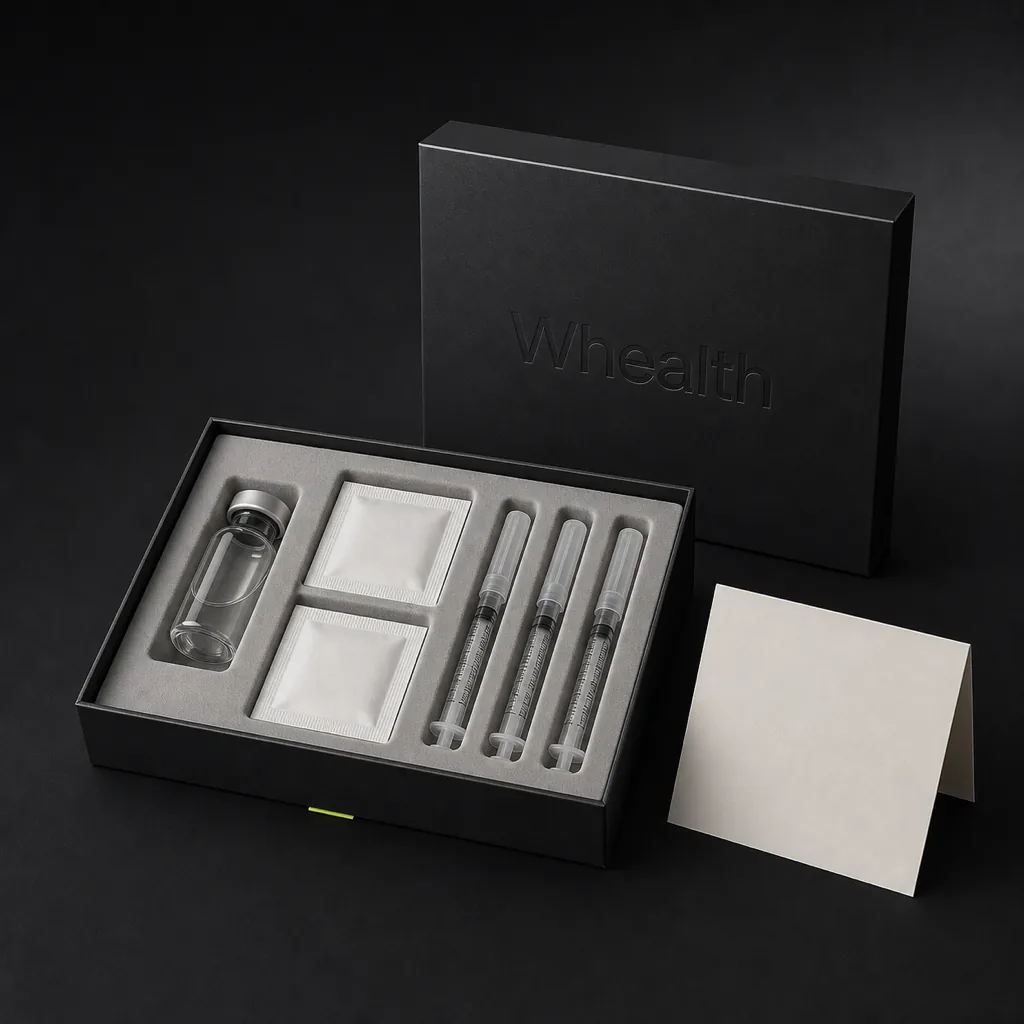
Weight management
Physician-supervised GLP-1 therapy
A supervised programme built on the two medicines in this category whose evidence is not in question. Your physician decides which one, at what dose, and how fast it climbs.
We prescribe the branded, FDA-approved products. They cost more than the compounded versions advertised everywhere, and that is deliberate: the compounded route existed because of a shortage, both shortages are over, and FDA has proposed removing these drugs from the bulks list entirely. Having to switch medication mid-titration because your provider lost its supply is a bad way to find that out.
Your clinician sets the actual schedule. This is the standard ladder and the one they start from.
Multiple large randomised controlled trials in people, published in peer-reviewed journals, with regulatory approval behind them.
Mean body-weight change at 68 weeks on semaglutide 2.4mg weekly, against −2.4% on placebo
STEP 1 · NEJM 2021Mean body-weight change at 72 weeks on tirzepatide 15mg weekly, against −3.1% on placebo
SURMOUNT-1 · NEJM 2022Weight was still falling at the end of STEP 1 rather than plateauing early
STEP 1 · NEJM 2021What it is
A physician-supervised weight-management programme built on FDA-approved GLP-1 medicines — semaglutide and tirzepatide — prescribed under their approved labels where they are clinically indicated. This is the one thing we sell where the evidence is not in question.
How it works
GLP-1 receptor agonists do three things at once: prompt glucose-dependent insulin release, slow gastric emptying, and act on appetite regulation in the hypothalamus. Tirzepatide adds a second receptor, GIP. The effect people actually describe is the appetite one — food stops occupying so much of the day.
What the evidence actually says
-
2021
STEP 1
1,961 adults with overweight or obesity. Mean −14.9% body weight at 68 weeks versus −2.4% on placebo. The trial that established the weight-management dose.
-
2022
SURMOUNT-1
2,539 adults. Mean −20.9% at 72 weeks on the 15mg dose versus −3.1% on placebo — the largest average reduction published for a drug in this class.
-
2024–25
Shortages resolved
FDA declared the tirzepatide shortage resolved in December 2024 and the semaglutide shortage in February 2025, which ended the shortage-based justification for compounding either one.
-
2026
Bulks list proposal
On 30 April 2026 FDA proposed excluding semaglutide, tirzepatide and liraglutide from the 503B bulks list, finding no clinical need. The comment period closed 30 July 2026 and no final determination has been issued.
What the first months look like
- Weeks 1–4A deliberately sub-therapeutic starting dose. This month is about letting your stomach adapt, not about losing weight.
- Weeks 5–16Steps up on a schedule your physician sets. Appetite changes usually land here, and so does nausea if it comes — typically in the days after a step-up.
- Month 5+Maintenance, and the part nobody sells: this is where training and protein intake decide how much of what you lose is fat rather than muscle.
Who this is not for
- A personal or family history of medullary thyroid carcinoma, or MEN2. This is a boxed contraindication, not a caution.
- Pregnancy, or planning pregnancy within two months.
- A history of pancreatitis, without a conversation about it first.
- Anyone at or near a healthy body composition who wants to be leaner. That is not what these are approved for and it is where the risk–benefit stops making sense.
Sources
- Wilding JPH et al. Once-Weekly Semaglutide in Adults with Overweight or Obesity. N Engl J Med 2021;384:989–1002. PMID 33567185.
- Jastreboff AM et al. Tirzepatide Once Weekly for the Treatment of Obesity. N Engl J Med 2022;387:205–216. PMID 35658024.
Figures are quoted from the published trials and were last checked in August 2026. We update this page when the evidence changes.